Sniffing...
Mexico
Calupoh
Native Mexican BreedWolf-likeLoyalIntelligentAgileLarge10-14 years
The Calupoh, also known as the Mexican Wolfdog, is a rare and striking breed with a rich history rooted in pre-Hispanic Mexico. It is considered one of Mexico's three native dog breeds. This breed is the result of a cultural heritage project that began in the mid-1990s, aiming to recreate the wolf-dog hybrids depicted in ancient Mayan and Aztec artwork and mentioned in pre-Columbian texts. These ancient canines held significant spiritual meaning. Today, the Calupoh is valued for its loyalty, intelligence, and noble demeanor, serving as both a companion and a symbol of Mexican heritage. This profile delves into its unique origins, distinctive physical attributes, temperament, and care requirements, offering a comprehensive understanding for enthusiasts and potential owners alike.
Important Disclaimer:The information provided on this page about the Calupoh is intended for general knowledge and informational purposes only and does not constitute professional veterinary advice. Always consult with a qualified veterinarian for any health concerns or medical conditions related to your dog. The breed identification provided by our AI tool is a prediction and should not be considered a definitive diagnosis.
Calupoh Dog Breed Overview
- Breed Group
- Working Group
- Origin
- Mexico
- Purpose
- Companion, Guardian, Symbol of Cultural Heritage (Historically: Ritual, Herding)
- Size
- Large
- Other Names
- Mexican Wolfdog, Perro Lobo Mexicano
- Lifespan
- 10-14 years
- Temperament
- LoyalNobleCalmGentleIntelligentTrainableAdaptableSociable (with family)Reserved (with strangers)ProtectiveAgile
- Activity Level
- High
- Trainability
- Intelligent, responds well to positive reinforcement; can have an independent streak
- Grooming
- Moderate (seasonal shedding)
- Shedding
- Moderate (especially seasonal)
- Barking
- Moderate (alert barker, not typically excessive)
- Good with
- Health Issues
- Generally robustPotential for hip dysplasia (common in large breeds)Potential for elbow dysplasiaOther large breed concerns (e.g., joint issues, eye conditions)
- Suited For
- Experienced dog owners
- Active individuals/families
- Homes with ample space (secure yard essential)
- Owners committed to consistent training and socialization
- Those appreciating a unique, wolf-like heritage breed
- Families (with proper socialization), Experienced owners
Calupoh History & Origin: Popularity of Calupohs
The Calupoh, also known as the Mexican Wolfdog, is a rare and striking breed with a rich history rooted in pre-Hispanic Mexico. It is considered one of Mexico's three native dog breeds. This breed is the result of a cultural heritage project that began in the mid-1990s, aiming to recreate the wolf-dog hybrids depicted in ancient Mayan and Aztec artwork and mentioned in pre-Columbian texts. These ancient canines held significant spiritual meaning. Today, the Calupoh is valued for its loyalty, intelligence, and noble demeanor, serving as both a companion and a symbol of Mexican heritage. This profile delves into its unique origins, distinctive physical attributes, temperament, and care requirements, offering a comprehensive understanding for enthusiasts and potential owners alike.
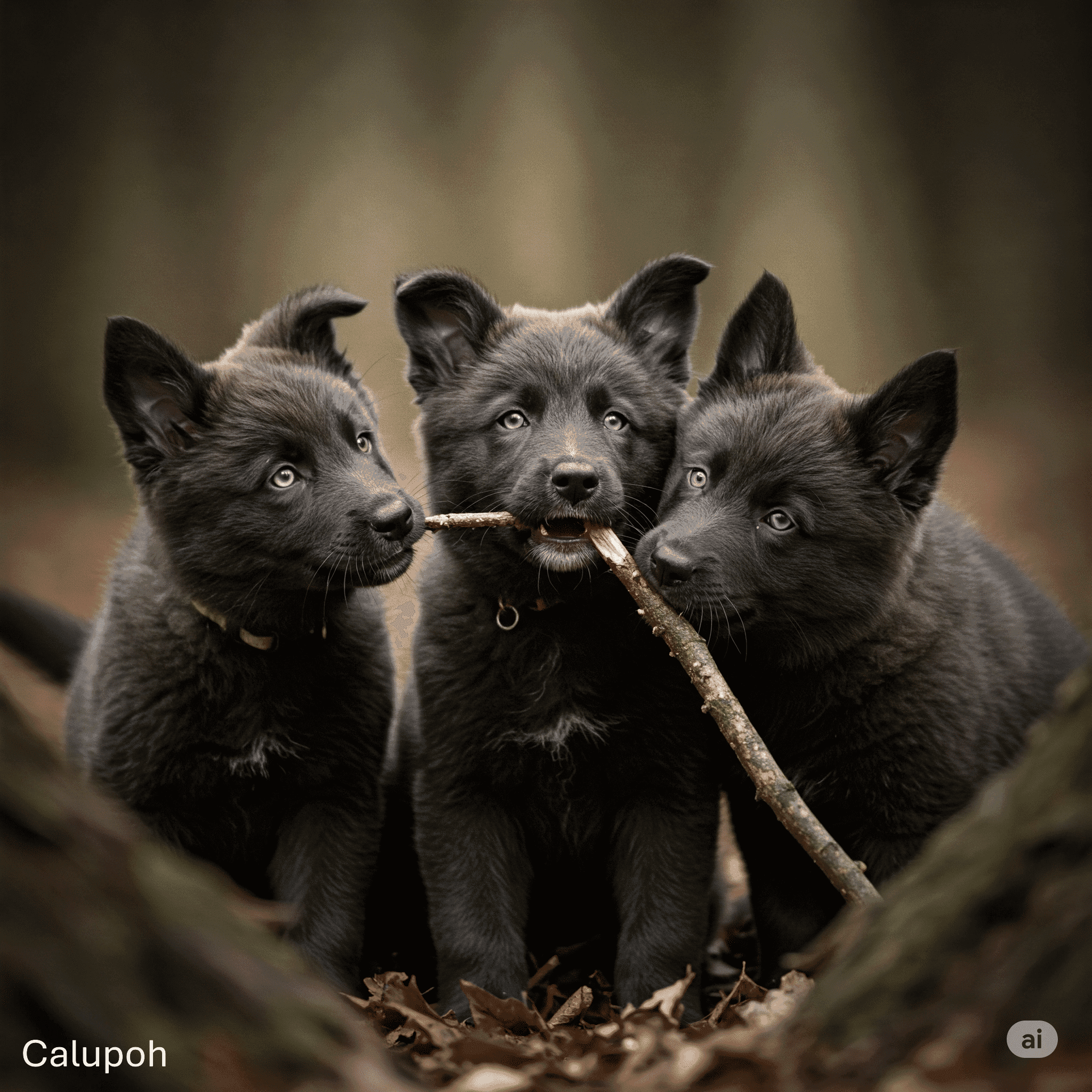
🐺 Calupoh puppy showcasing its early wolf-like features
History of Calupoh
The Calupoh's origins trace back to pre-Hispanic Mexico, where wolf-dog hybrids held spiritual significance and were depicted in ancient artwork and found in archaeological sites like the Temple of Quetzalcoatl.
A cultural heritage project, initiated in the mid-1990s by a dedicated group, aimed to revive and standardize the breed based on archaeological findings and historical texts, preserving this ancient lineage.
The Calupoh was officially recognized by the Federación Canófila Mexicana (FCM), the Mexican Kennel Club, in 1999.
Purpose and Popularity of Calupoh
Historically, these canines were revered, involved in rituals, and possibly assisted in herding or as guardians. Today, the Calupoh is valued as a loyal companion, a noble guardian, and a living symbol of Mexican cultural heritage.
While still a rare breed, its unique appearance, historical significance, and balanced temperament are steadily gaining attention and admiration both within Mexico and internationally. It is one of Mexico's three native dog breeds.
Did you know?
The name 'Calupoh' is believed to derive from Nahuatl words: 'cali' (house) and 'poh' (from 'copohtli' or similar for wolf/coyote), reflecting its nature as a 'house wolf' or a wolf-dog associated with human dwellings and culture.
Calupoh Dog Breed Size and Physical Traits
Size of Calupoh dog Breeds
Size Category
Large
Height
Male
22-30 inches (58-76 cm)
Female
Slightly smaller than males, typically 22-28 inches (58-70 cm)
Weight
Male
55-120 lbs (25-54 kg)
Female
Generally lighter than males, around 50-100 lbs (23-45 kg)
Appearance of Calupoh dog Breeds
- Coat Type
- Double-layered, medium length; coarse, weather-resistant outercoat, soft and insulating undercoat.
- Eye Size & Color
- Often a striking yellow or orange, almond-shaped, conveying an intelligent and intense gaze. Amber, brown, or even blue eyes are also seen.
- Ear Size & Shape
- Large, erect, triangular, and mobile, contributing to their alert expression.
- Tail
- Long, typically carried low or with a slight upward curve, but not curled over the back. Bushy.
Description of Calupohs Appearance
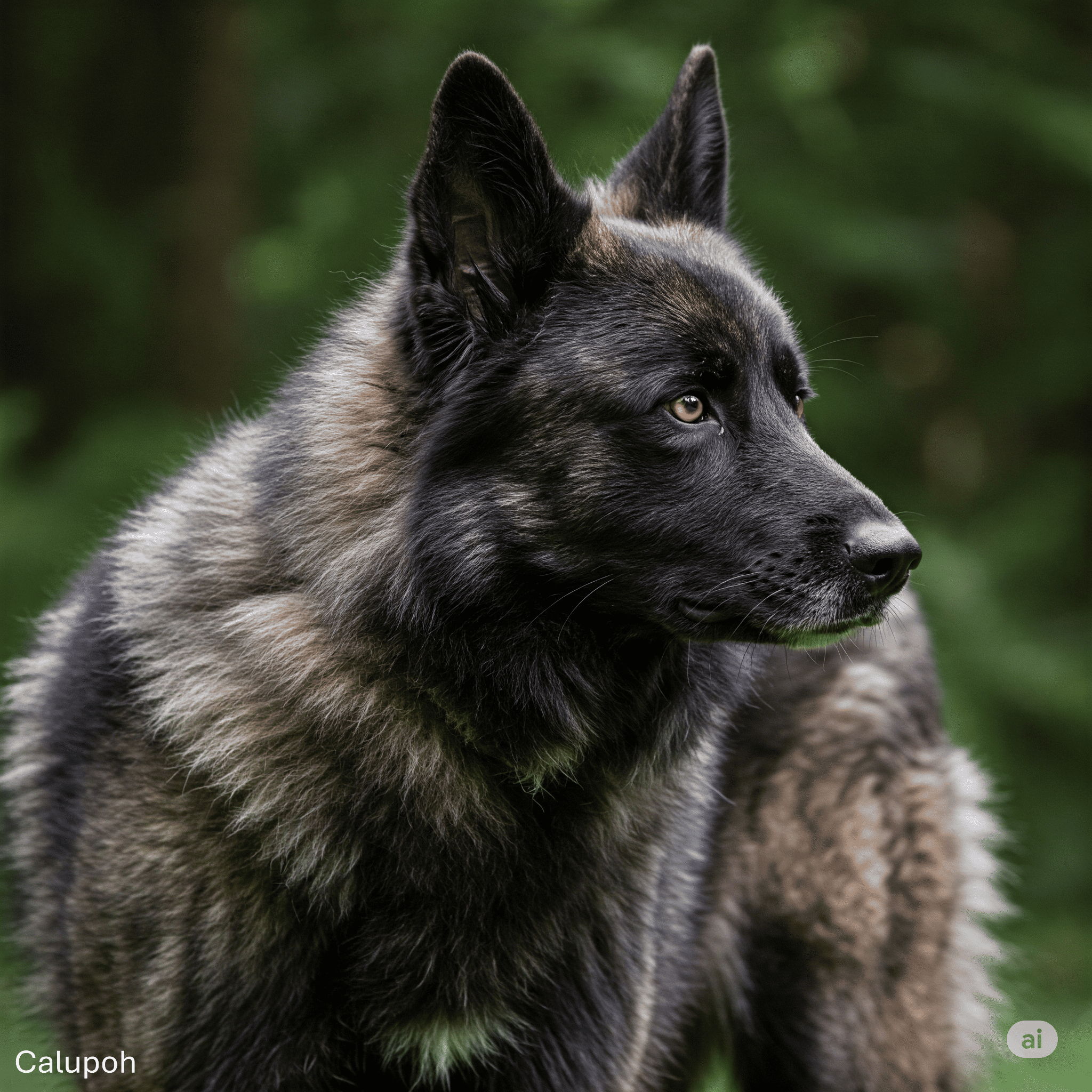
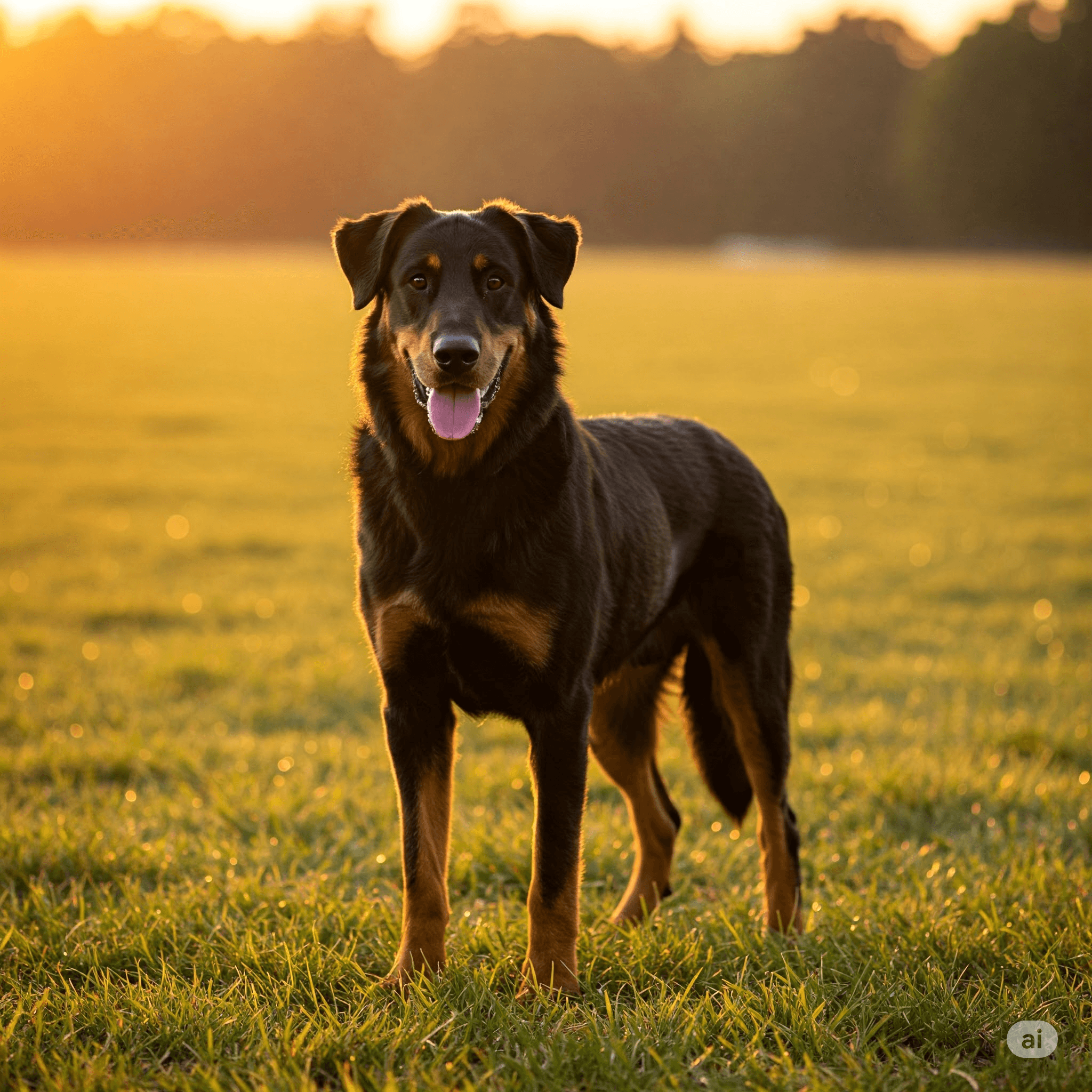
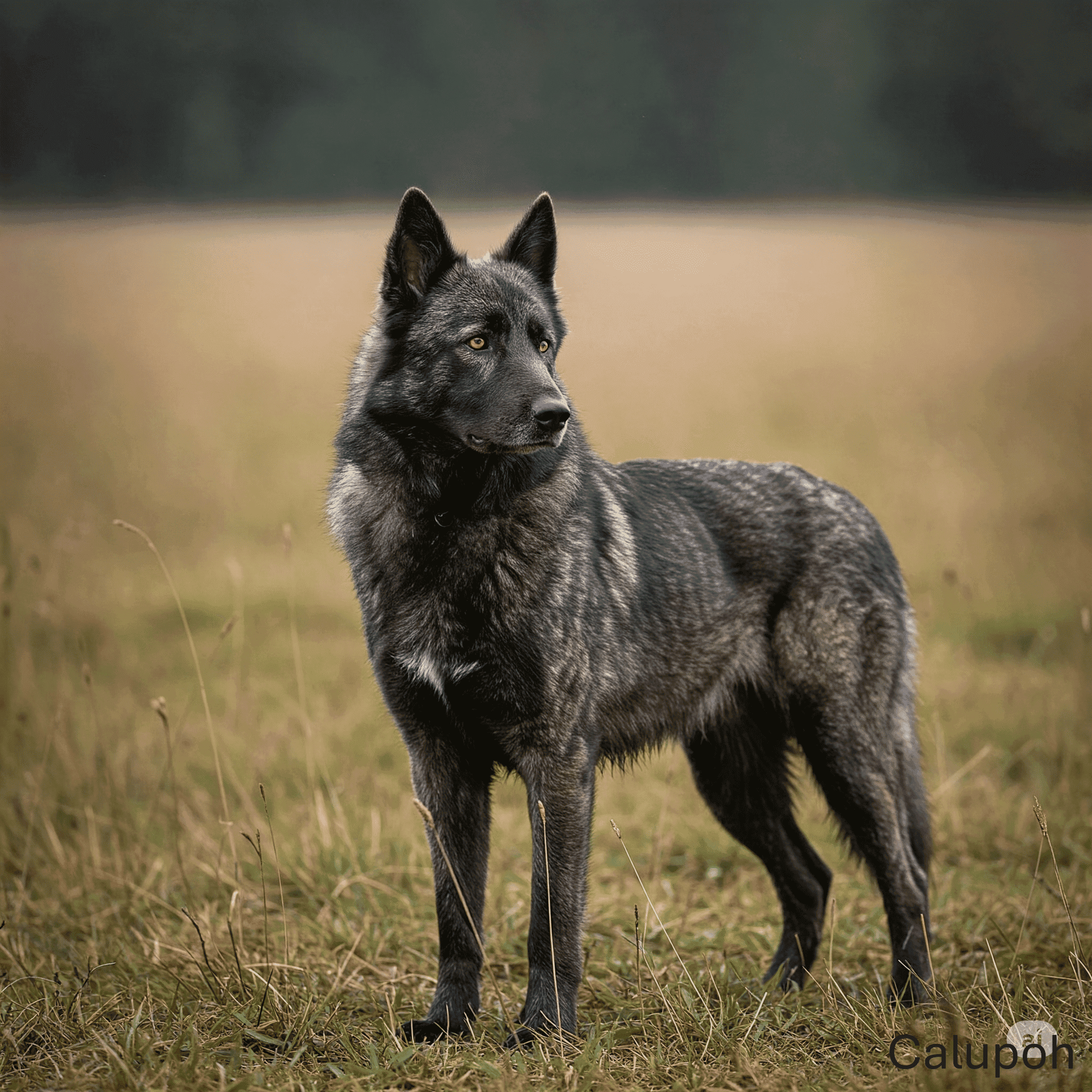
👀 How does Calupoh look like? A majestic Calupoh showcasing its wolf-like appearance.
- The Calupoh presents a majestic and imposing physique, strongly reminiscent of a wolf, combined with the robustness of a working dog.
- Key physical traits include a strong head, a dense double coat typically in shades of black, and distinctive, often yellow or orange, almond-shaped eyes.
- Males generally stand 22-30 inches at the shoulder and weigh between 55-120 pounds, with females being proportionally smaller and lighter.
- Their coat is weather-resistant, and the most prized color is solid black. Their overall build is agile, powerful, and well-proportioned, reflecting their ancient and noble lineage.
Coat Colors of Calupoh dogs
Black (preferred)
Smoky Black
Silver sheen (on black coat)
Distinctive Features of Calupoh dog breeds
- Strong, imposing wolf-like appearance and silhouette.
- Powerful head and skull with a strong neck.
- Lush double-layered coat, most characteristically black or smoky black.
- Captivating yellow or orange eyes (though other colors exist).
- Large, erect, and expressive ears.
- Agile, athletic, and powerfully built body, slightly longer than tall.
Calupoh Environment, Barking, Trainability and More...
Barking Level of Calupoh
Moderate
Calupohs can be vocal and will alert their owners to unusual activities or the presence of strangers. They are not typically nuisance barkers but will use their voice when they deem it necessary, reflecting their guardian instincts.
Trainability of Calupoh
High (Intelligent but requires consistency and experience)
Highly intelligent and quick learners, Calupohs generally respond well to positive reinforcement and consistent training methods. However, their intelligence can be coupled with an independent streak stemming from their wolf ancestry, requiring a patient, firm, and experienced handler who understands primitive breed traits.
Energy Level of Calupoh
High
As a very active and athletic breed, Calupohs require significant daily exercise to maintain their physical and mental well-being. Long walks, jogging, hiking, and engaging in canine sports are excellent outlets for their considerable energy reserves.
Friendly Environment Description of Calupohs
- Calupohs are adaptable dogs but thrive best in environments with ample space, such as homes with large, securely fenced yards, to accommodate their active nature and exercise needs.
- They form deep bonds with their families and value being included in household activities, displaying a strong pack mentality.
- Early and consistent socialization from a young age is crucial for them to develop into well-adjusted and confident adults, especially given their natural reserve with strangers.
- Their high intelligence means they require significant mental stimulation through training, puzzle toys, or canine sports to prevent boredom and destructive behaviors.
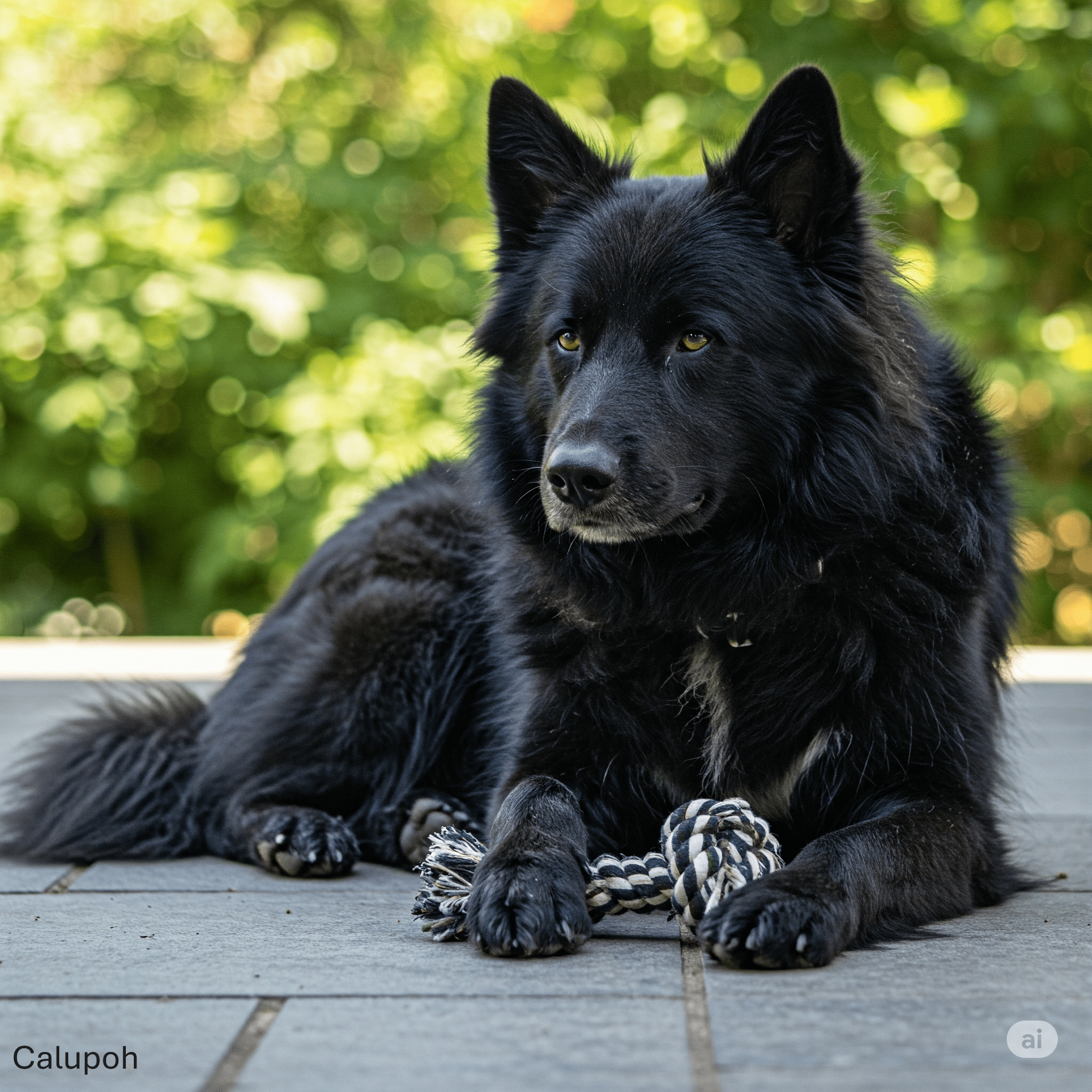
🐺 Calupoh in a natural setting, displaying its calm yet alert demeanor
Personality Traits of Calupoh dog breed
LoyalNobleCalm (with family)Gentle (with family)IntelligentTrainable (with right approach)Adaptable (if needs met)Sociable (with family/pack)Reserved (with strangers)ProtectiveAgileCourageous
Nature
The Calupoh embodies a compelling blend of wolf-like dignity and unwavering canine devotion. They are typically calm, gentle, and stable with their family, yet maintain an alert and protective presence.
Affectionate
Forms incredibly strong bonds with its human family and is deeply loyal and affectionate with those it considers part of its pack. Enjoys being close to its people.
With Children
Can be very good and gentle with children, especially if raised with them and properly socialized. Due to their large size and strength, supervision is always recommended, particularly with very young children, to prevent accidental knockdown.
With Other Dogs
Requires careful and early socialization to coexist peacefully with other dogs. Some Calupohs may exhibit dominance or a prey drive, especially with unfamiliar dogs or smaller animals. Same-sex aggression can be a concern if not managed.
With Strangers
Naturally reserved, cautious, and sometimes aloof around strangers. Early and extensive socialization is essential to help them differentiate between friendly visitors and potential threats, building their confidence in various situations.
Protective
Possesses strong natural protective instincts, making them excellent and vigilant watchdogs for their home and family without being unnecessarily aggressive. Their presence alone can be a deterrent.
Adaptability
Can adapt to various living situations, provided their high needs for physical exercise and mental engagement are consistently met. They are not suited for a sedentary lifestyle.
Calupohs are good with:
Families (with proper socialization and leadership)Experienced Dog Owners
Calupoh Dog Breed Care & Grooming Needs
Shedding Level of Calupoh
Moderate to High (Seasonal Blower)
Calupohs have a dense double coat and shed moderately throughout the year, with significantly heavier shedding periods seasonally (typically in spring and fall as they 'blow' their undercoat). Regular brushing is essential during these times.
Grooming Needs of Calupoh
Moderate
Grooming needs include regular brushing, ideally 2-3 times a week, and daily during heavy shedding seasons, to remove loose hair, prevent matting, and keep the coat healthy. Occasional baths, routine nail trimming, ear cleaning, and dental care are also standard.
Grooming Tips
Use a slicker brush, undercoat rake, or de-shedding tool to manage their double coat effectively. Bathe only as needed, using a dog-friendly shampoo, and ensure the dense coat is thoroughly dried. Check and clean their large, erect ears regularly to prevent infections. Maintain good dental hygiene and trim nails as needed.
Drooling Frequency of Calupoh
Low to Moderate
Calupohs are not typically heavy droolers compared to breeds with looser jowls. Some minor drooling can occur, especially when anticipating food, after drinking, or when excited, but it's generally not excessive.
Calupohs Daily Exercise Requirements
Minimum Daily Activity of Calupoh
At least 60-90 minutes per day (or more)
Calupohs are an energetic and athletic breed, requiring substantial daily exercise to keep them physically fit and mentally stimulated. This should include long, brisk walks, jogging, hiking, and opportunities for off-leash play in a securely fenced area. They also benefit from mentally challenging activities like obedience training, puzzle toys, or canine sports.
Recommended Activities for Calupohs
Long Brisk Walks/JoggingHiking in varied terrainSecure Off-leash Playtime (e.g., fetch, frisbee)Agility (adapted for their size and build)Scent work/Tracking exercisesInteractive puzzle toys
Living Space Compatibility of Calupohs
Yard Requirement
Secure Yard Highly Recommended/Essential
A spacious, securely fenced yard is highly recommended, if not essential, for a Calupoh. This allows them space to move, play safely, and expend energy. Given their potential prey drive and wolf heritage, the fencing must be robust and high enough to prevent escapes.
Apartment Living: Not Ideal
Apartment living is generally not ideal for a Calupoh due to their large size, high energy levels, and need for ample space. It could only work if the owner is exceptionally dedicated to providing extensive outdoor exercise and mental stimulation daily.
Living Considerations for Calupohs
- Requires a significant commitment to daily exercise and mental stimulation.
- Needs extensive and ongoing early socialization with various people, places, sounds, and other animals.
- Best suited for experienced dog owners who understand and can manage primitive breed characteristics and potential independence.
- Sheds considerably, especially seasonally; requires consistent grooming to manage.
- Potential for a strong prey drive; secure containment and careful introductions to smaller pets are necessary.
- Needs firm, fair, and consistent training with positive reinforcement methods.
Calupoh Dog Lifespan and Health Issues
Average Lifespan of Calupohs
10-14years
Common Health Issues of Calupohs
Hip Dysplasia
A common orthopedic condition in many large and giant breeds where the hip joint doesn't develop properly, potentially leading to arthritis. Reputable breeders screen for this.
Elbow Dysplasia
Similar to hip dysplasia, this condition affects the elbow joints and is common in larger, active dogs. Screening by breeders is important.
Bloat (Gastric Dilatation-Volvulus - GDV)
A life-threatening condition for large, deep-chested breeds where the stomach fills with gas and can twist. Owners should be aware of symptoms and preventative measures.
Eye Conditions (e.g., Progressive Retinal Atrophy - PRA, Cataracts)
Some hereditary eye conditions can occur; regular veterinary eye exams are advisable. Specific prevalence in Calupohs may require more breed-specific data over time.
Hypothyroidism
A condition where the thyroid gland doesn't produce enough hormones, potentially affecting metabolism and overall health. Can be managed with medication if diagnosed.
General Large Breed Ailments
As a large and active breed, Calupohs may also be susceptible to other conditions affecting bones, joints (like panosteitis in young dogs), and ligaments. Maintaining a healthy weight is crucial.
Preventative Care of Calupohs
- Choose a responsible breeder who performs health screenings on their breeding stock for known conditions like hip and elbow dysplasia.
- Provide a high-quality, balanced diet appropriate for their age, size, and high activity level. Avoid overfeeding, especially during puppyhood, to promote slow, steady growth.
- Ensure regular, appropriate exercise to maintain healthy weight and muscle tone, but avoid excessive high-impact activities on hard surfaces, particularly for growing puppies.
- Schedule regular veterinary check-ups for vaccinations, parasite control, dental care, and early detection of any potential health problems.
- Maintain good grooming practices, including regular ear checks and cleaning, to prevent infections.
- Provide adequate socialization and mental stimulation, as a healthy mind contributes to a healthy body.
What to feed Calupoh? Calupoh's diet and Nutrition
Recommended Diet for Calupoh dog breed
A high-quality commercial dog food formulated for large breeds with high energy levels is recommended. The diet should be appropriate for their specific life stage (puppy, adult, senior). Given their unique heritage, some owners might consider diets with fresh components, but this should always be discussed and planned with a veterinarian or canine nutritionist to ensure balanced nutrition.
Typical Feeding Schedule of Calupohs
| Age Group | Feeding Frequency |
|---|---|
| Puppies (under 6 months) | 3-4 meals per day, gradually reducing frequency. |
| Adolescents (6-12 months) | 2-3 meals per day. |
| Adults | 2 meals per day is generally recommended to help manage digestion and potentially reduce the risk of bloat. |
| Seniors | 2 meals per day, possibly with adjusted caloric intake or a senior-specific formula to meet changing metabolic needs and maintain health. |
Sensitivities & Considerations of Calupohs
Potential Food Sensitivities of Calupohs
While no widespread breed-specific food sensitivities are documented for Calupohs, individual dogs can develop allergies or intolerances to certain ingredients (e.g., specific proteins, grains). Monitor for any signs of digestive upset, skin irritation, or itchiness and consult a vet if sensitivities are suspected.
Dietary Considerations of Calupohs
- For puppies, use a large-breed puppy formula to ensure controlled growth, which is crucial for proper bone and joint development.
- Monitor your Calupoh's weight and body condition closely throughout their life to prevent obesity, which can exacerbate joint problems and lead to other health issues.
- Always ensure constant access to fresh, clean water.
- Given their deep chest, be aware of practices to minimize bloat risk, such as avoiding strenuous exercise around mealtimes and possibly using slow-feeder bowls if they eat too quickly.
Weight Management of Calupohs
Maintaining a lean, athletic body condition is vital for the Calupoh's long-term health, mobility, and overall well-being, particularly for a large, active breed prone to joint issues.
Signs of Healthy Weight of Calupohs
- You should be able to easily feel their ribs with a slight fat covering, but they should not be visibly protruding (unless very lean and fit).
- There should be a visible waistline when viewed from above (an indentation behind the rib cage).
- The abdomen should be tucked up when viewed from the side, not sagging.
- Good energy levels, a shiny coat, and overall vitality are also indicators of good health and appropriate weight.
Tips for Healthy Feeding of Calupohs
- Measure food portions accurately using a standard measuring cup to avoid over or underfeeding.
- Adjust food intake based on your dog's age, activity level, metabolism, and overall body condition.
- Limit treats and ensure they are healthy and account for less than 10% of their daily caloric intake.
- Avoid exercising your Calupoh vigorously for at least an hour before and after meals to reduce the risk of bloat.
- Consult with your veterinarian or a certified canine nutritionist to create a personalized diet plan tailored to your Calupoh's specific needs.
Is Calupoh a good match for you?
Calupohs are best suited for active and experienced dog owners who understand and appreciate breeds with potentially independent, primitive, or wolf-like characteristics. They require a confident, patient, and consistent leader who can provide structure, extensive socialization, and meet their demanding exercise and mental stimulation needs. They thrive in a home that values their unique heritage and can offer an engaging, enriching environment where they are part of the family 'pack'.
Calupohs are a Great Match For
- Experienced dog owners, particularly those familiar with primitive, Spitz-type, or wolf-like breeds.
- Active individuals, couples, or families who lead an outdoor-oriented lifestyle and can provide significant daily exercise.
- Owners who are deeply committed to ongoing positive reinforcement training, extensive socialization from puppyhood, and mental enrichment.
- Households with ample living space and a large, securely fenced yard (essential).
- People who appreciate an intelligent, loyal, unique, and majestic companion and are prepared for the responsibilities that come with such a breed.
- Those looking for a dog that forms a strong, devoted bond with its family and acts as a natural guardian.
Calupohs May be Challenging For
- First-time or novice dog owners due to their intelligence, potential independence, and specific needs.
- Sedentary individuals or families who cannot meet their high exercise requirements.
- Owners who are unable or unwilling to provide consistent leadership, firm but fair training, and comprehensive socialization.
- Those living in small apartments or homes without secure and adequate outdoor space.
- People looking for a low-maintenance dog, one that is naturally outgoing and effusive with all strangers, or a dog that requires minimal engagement.
- Households unprepared for a large, powerful, and energetic dog that needs a 'job' or significant mental outlets.
- Individuals who are not prepared for the grooming requirements of a double-coated breed, especially during shedding seasons.