Sniffing...
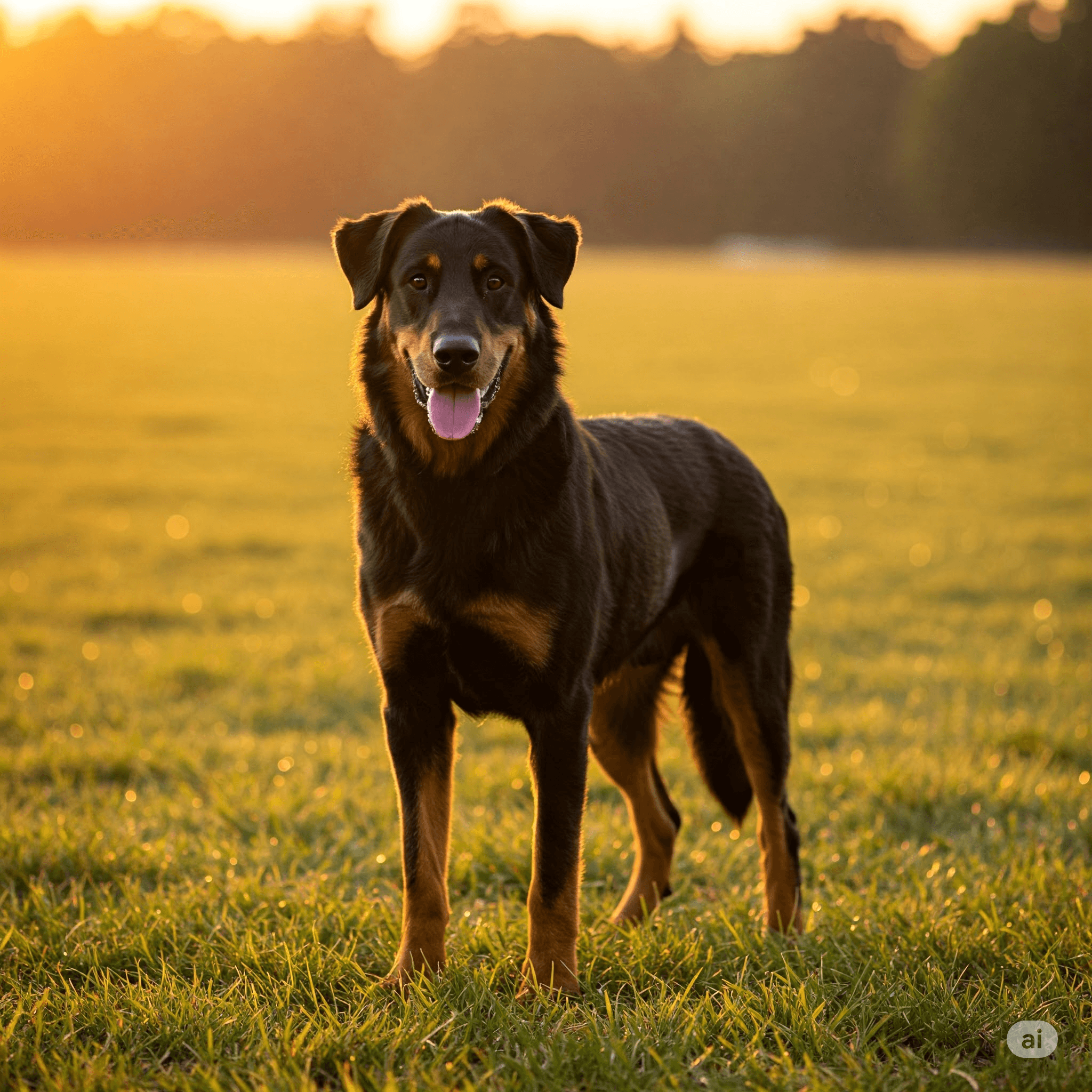
France
Beauceron
Herding GroupIntelligentLoyalProtectiveCourageousLarge10-12 years
The Beauceron, a majestic and imposing breed hailing from the plains of Central France, stands as a testament to the enduring legacy of working dogs. Renowned for its intelligence, loyalty, and unwavering protective instincts, this versatile herder, also known as the Berger de Beauce or Bas Rouge, has transitioned from its historical role as a guardian of flocks to a cherished companion in modern homes. This profile delves into the rich history, distinctive physical attributes, temperament, and care requirements of this remarkable breed, offering a comprehensive understanding for enthusiasts and potential owners alike.
Important Disclaimer:The information provided on this page about the Beauceron is intended for general knowledge and informational purposes only and does not constitute professional veterinary advice. Always consult with a qualified veterinarian for any health concerns or medical conditions related to your dog. The breed identification provided by our AI tool is a prediction and should not be considered a definitive diagnosis.
Beauceron Dog Breed Overview
- Breed Group
- Herding Group
- Origin
- France (La Beauce region)
- Purpose
- Herding and guarding livestock, personal protection, police/military service, search and rescue, various canine sports
- Size
- Large
- Other Names
- Berger de Beauce, Bas Rouge, Beauce Shepherd, Beauce Dog
- Lifespan
- 10-12 years
- Temperament
- ConfidentSelf-assuredIntelligentFearlessLoyalProtectiveAlertReserved with strangersObedientCalm (when properly exercised and trained)
- Activity Level
- Very High
- Trainability
- Intelligent and generally receptive, but can be strong-willed and independent. Requires firm, fair, consistent training and early socialization. Sensitive to harsh methods.
- Grooming
- Minimal (weekly brushing, daily during shedding seasons)
- Shedding
- Moderate to High (seasonal heavy shedding)
- Barking
- Moderate (will alert to strangers or perceived threats)
- Good with
- Health Issues
- Canine Hip Dysplasia (CHD)Dilated Cardiomyopathy (DCM)Bloat (Gastric Dilatation-Volvulus - GDV)Eye problems (e.g., Progressive Retinal Atrophy - PRA)Allergies (food-based or environmental)
- Suited For
- Experienced dog owners, particularly with working breeds
- Active individuals or families
- Owners committed to consistent training, socialization, and leadership
- Homes with ample space and a large, securely fenced yard
- Those seeking a loyal guardian and versatile working companion
- Families, Other dogs and cats (with socialization)
Beauceron History & Origin: Popularity of Beaucerons
The Beauceron, a majestic and imposing breed hailing from the plains of Central France, stands as a testament to the enduring legacy of working dogs. Renowned for its intelligence, loyalty, and unwavering protective instincts, this versatile herder, also known as the Berger de Beauce or Bas Rouge, has transitioned from its historical role as a guardian of flocks to a cherished companion in modern homes. This profile delves into the rich history, distinctive physical attributes, temperament, and care requirements of this remarkable breed, offering a comprehensive understanding for enthusiasts and potential owners alike.
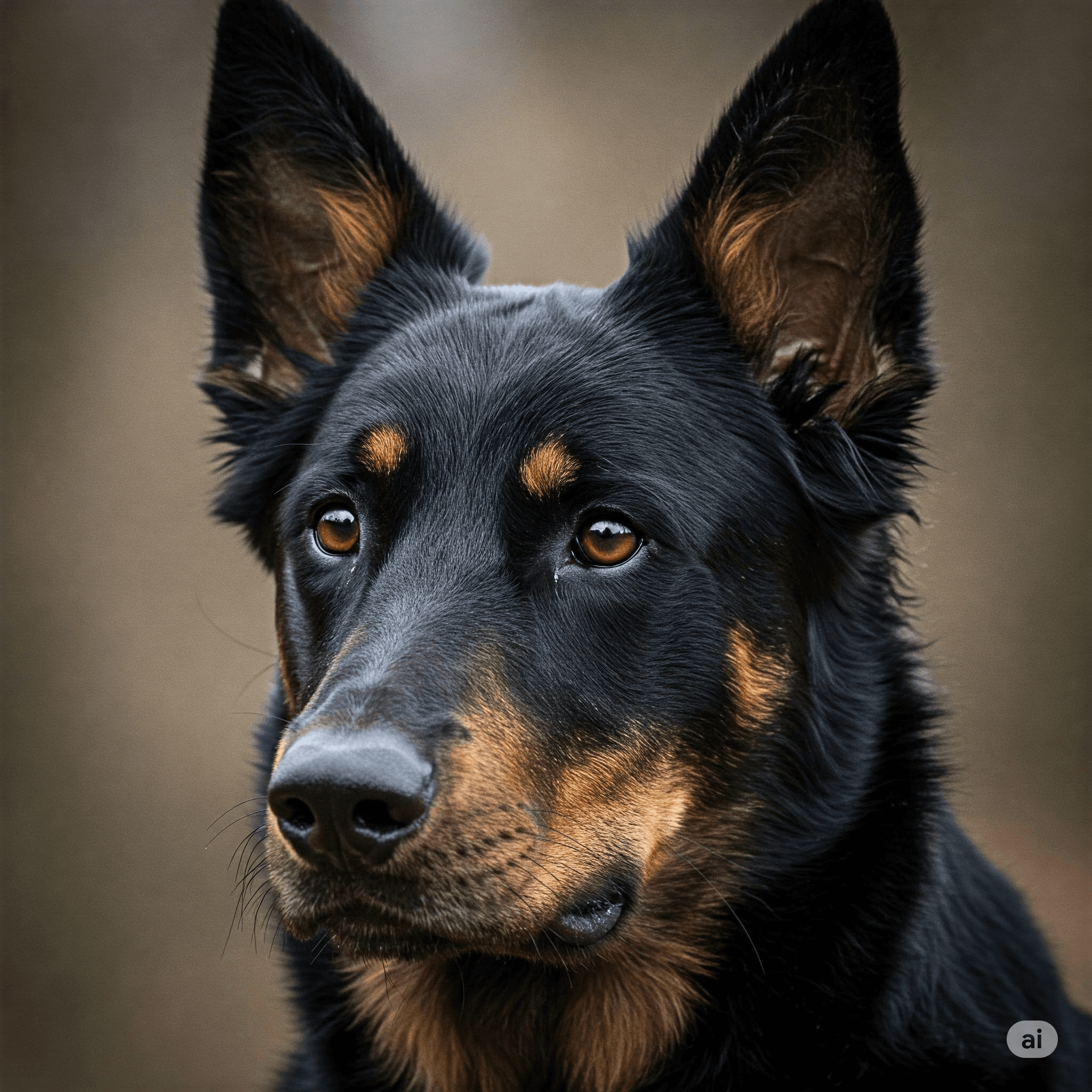
Beauceron puppies exploring nature 🌻
History of Beauceron
The Beauceron's origins trace back to the plains of Central France (La Beauce region), developed solely within France without foreign crosses. Initially bred for herding and guarding sheep and cattle, and protecting farm and family.
Known by names like Berger de Beauce, Beauce Dog, and 'Bas Rouge' (Red Stockings). Shares history with the Briard, differentiated by coat length in the late 19th century. The first French dog show in 1863 featured Beaucerons, and the Club des Amis du Beauceron formed in 1911.
Served as messenger, mine detection, and search and rescue dogs in WWI and WWII. Recognized by UKC (1994) and AKC (2007).
Purpose and Popularity of Beauceron
Originally herded and guarded large flocks, capable of covering up to 50 miles a day. Modern roles include personal protection, tracking, police/military work, search and rescue, and various canine sports (agility, obedience, French Ring, Schutzhund, etc.).
Remains relatively unknown outside France but is gaining popularity. Finding reputable breeders may require diligence.
Did you know?
The Beauceron is affectionately nicknamed 'Bas Rouge' (Red Stockings) due to its distinctive tan markings, and it uniquely possesses double dewclaws on each hind leg.
Beauceron Dog Breed Size and Physical Traits
Size of Beauceron dog Breeds
Size Category
Large
Height
Male
25.5-27.5 inches (65-70 cm)
Female
24-26.5 inches (61-68 cm)
Weight
Male
70-110 pounds (30-50 kg)
Female
60-100 pounds (27-45 kg)
Appearance of Beauceron dog Breeds
- Coat Type
- Beauceron has a short, dense double coat with a soft, lighter-colored undercoat and a coarser, waterproof outer layer.
- Eye Size & Color
- They have a dark eyes, expressing a frank and alert demeanor.
- Ear Size & Shape
- The ears of Beauceron are set high; can be natural (half-pricked or drop-ears, carried away from head) or cropped (where permitted).
- Tail
- Carried down, forming a slight 'J' hook at the tip, strong at the base.
Description of Beaucerons Appearance
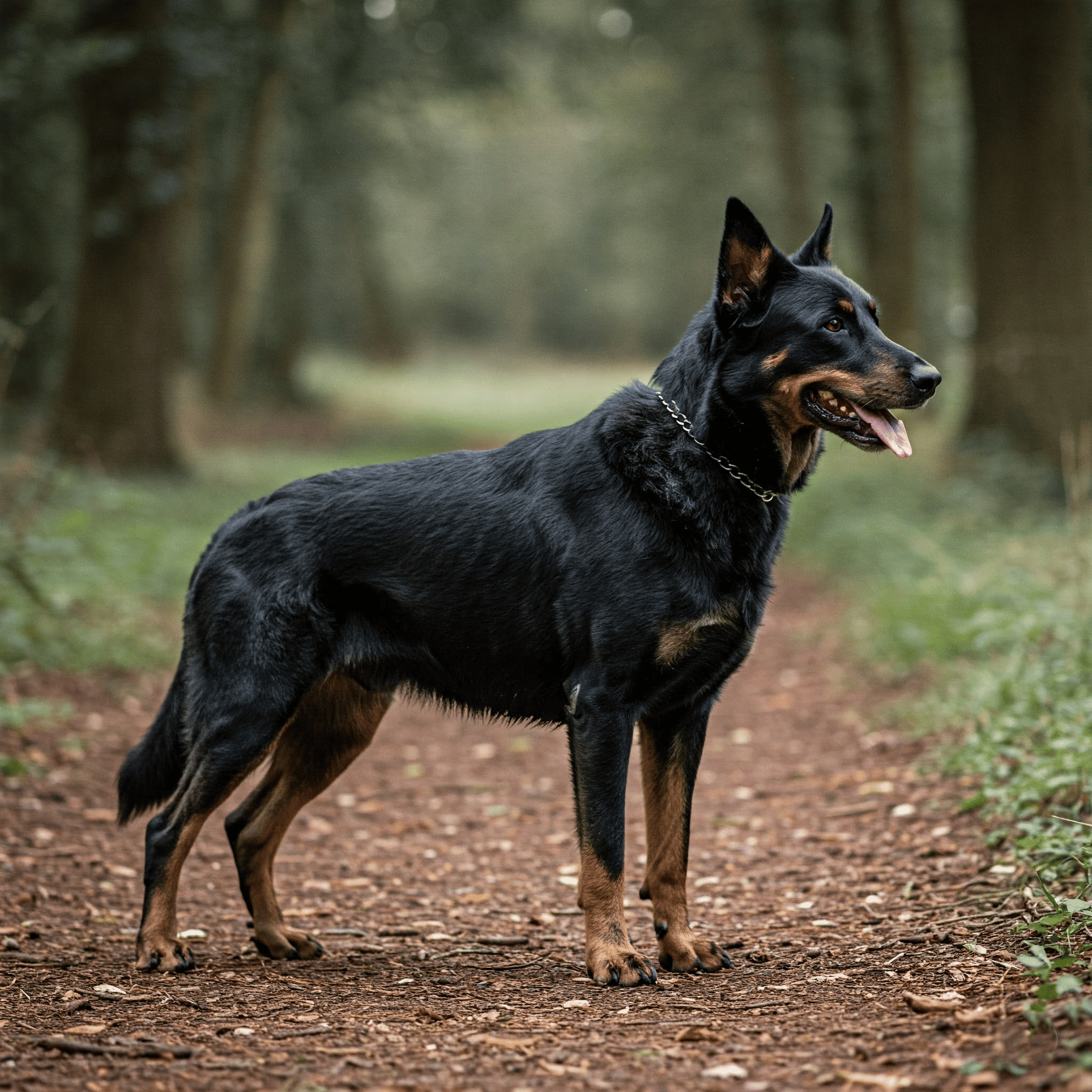
👀 How does a Beauceron look like?
- The Beauceron is a large, substantial, and powerfully built dog, exuding strength and robustness without heaviness.
- They possess a noble carriage and a frank, unwavering expression. Key physical traits include a short, dense double coat, distinctive tan markings ('Bas Rouge'), and double dewclaws on the hind legs.
- Males typically stand 25.5-27.5 inches and weigh 70-110 pounds; females are 24-26.5 inches and 60-100 pounds.
Coat Colors of Beauceron dogs
Black & Tan (with Tan markings)
Harlequin (with Tan Markings)
Distinctive Features of Beauceron dog breeds
- Beauceron is a majestic, imposing, and powerfully built yet graceful.
- Beauceron has a short, dense double coat.
- Beauceron has signature 'Bas Rouge' tan markings, especially on legs.
- Beauceron has mandatory double dewclaws on each rear leg.
- Beauceron has a frank, alert, and self-assured expression.
- They have a noble carriage.
Beauceron Environment, Barking, Trainability and More...
Barking Level of Beauceron
Moderate
Beaucerons are not typically excessive barkers, but will vocalize to alert owners to strangers or perceived threats due to strong protective instincts. May also bark to express themselves or seek attention.
Trainability of Beauceron
Intelligent but needs experienced handling
Beaucerons are highly intelligent and generally eager to please, but also possesses a strong will and independence. Requires a firm, fair, consistent, and patient owner. Sensitive to harsh methods. Early, extensive socialization is paramount. Can be 'mouthy'.
Energy Level of Beauceron
Very High
Beaucerons are an inherently active and athletic breed with remarkable endurance, requiring at least two hours of vigorous physical activity daily, plus mental stimulation. They are prone to boredom and destructive behaviors without sufficient outlets.
Friendly Environment Description of Beaucerons
- Beaucerons are hardy and can adapt but thrive in homes with ample space and outdoor access. They tolerate cold weather well due to their double coat.
- Not ideally suited for apartment living due to their large size and high energy, unless exercise needs are meticulously met.
- They prefer to spend time with their owners, whether indoors or actively engaged outdoors.
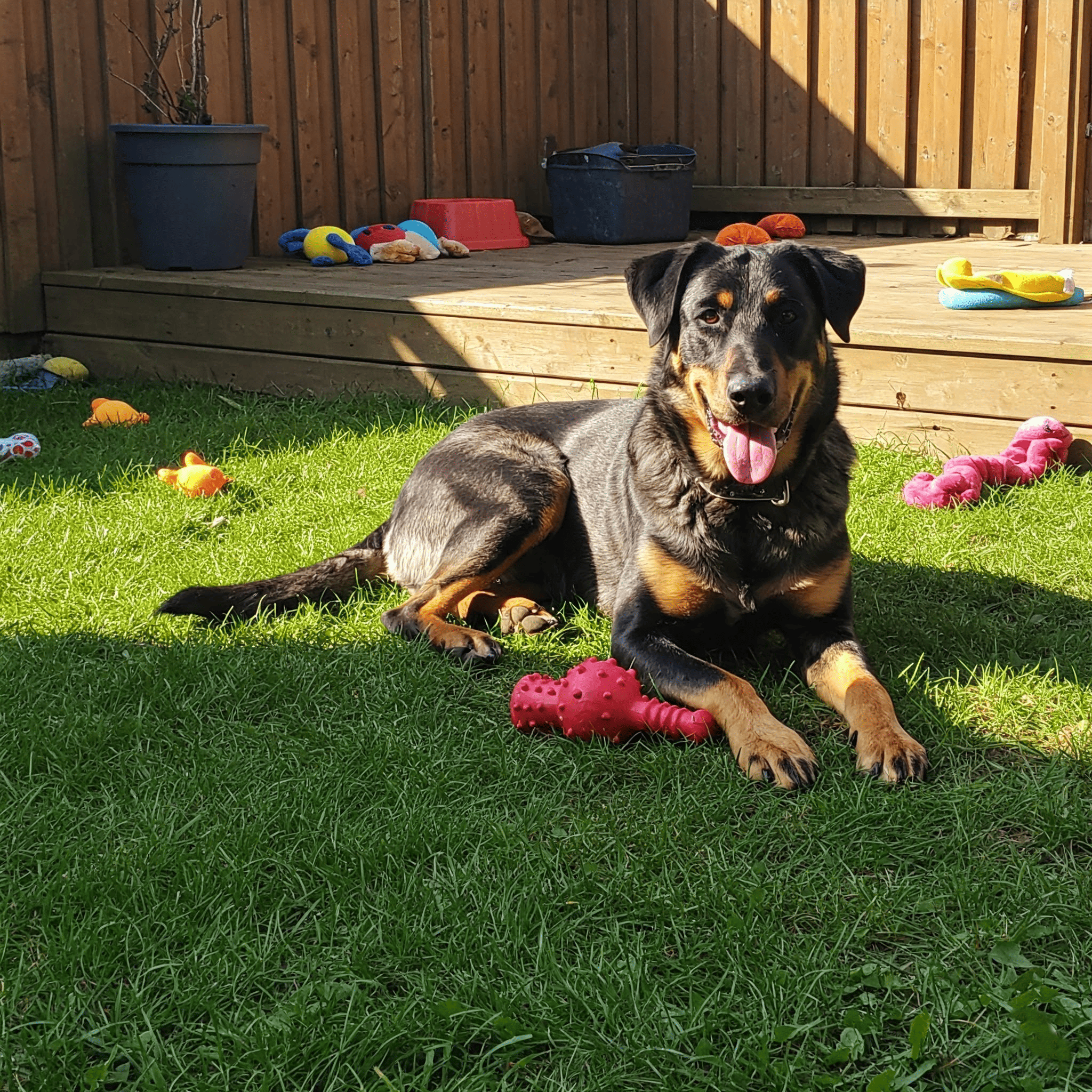
🏠 Beauceron in a home environment
Personality Traits of Beauceron dog breed
ConfidentSelf-assuredFrankAlertIntelligentFearlessLoyalProtectiveReserved (with strangers)Obedient (with good training)Herding instinctsSlow to mature
Nature
A confident, self-assured, intelligent, and fearless breed, profoundly loyal to its family.
Affectionate
Deeply affectionate with their families, often forming an incredibly strong, 'velcro-like' bond.
With Children
Can be good with older children who interact respectfully. Herding instincts may lead to attempts to 'manage' younger children by nipping at heels. Supervision and training are essential.
With Other Dogs
Can coexist peacefully with other dogs if socialized early and consistently. May be dominant.
With Strangers
Typically reserved, aloof, or watchful with strangers, reflecting strong protective instincts. Takes time to assess new people.
Protective
Excellent watchdogs and guard dogs due to inherent vigilance and protective nature.
Adaptability
Hardy and can adapt to various situations but thrives with space and activity. Not ideal for small apartments without significant exercise commitment.
Beaucerons are good with:
Families (with older, respectful children)Other dogs and cats (with proper, early socialization)
Beauceron Dog Breed Care & Grooming Needs
Shedding Level of Beauceron
Moderate to High
Beaucerons shed moderately year-round, with heavier shedding seasonally (spring and fall). Regular brushing is essential. They are not considered hypoallergenic.
Grooming Needs of Beauceron
Minimal
Beauceron has a short, dense double coat. It has minimal grooming needs. Weekly brushing (daily during shedding), occasional baths (every 2-4 months or as needed), regular nail trims (including double dewclaws), ear cleaning, and dental care.
Grooming Tips
Beauceron should be brushed weekly with a medium-bristle brush or rubber grooming mitt (daily during shedding). It should be bathed as needed using dog-specific shampoo. It should be trimmed nails monthly, paying close attention to the double dewclaws on rear legs. It should be cleaned ears weekly. It should be brushed teeth several times a week.
Drooling Frequency of Beauceron
Low
Beaucerons are generally not known to be excessive droolers. Sudden excessive salivation can be a symptom of bloat (GDV) and requires immediate veterinary attention.
Beaucerons Daily Exercise Requirements
Minimum Daily Activity of Beauceron
At least 2 hours per day
Beaucerons require significant daily vigorous physical activity (e.g., long walks, runs, hikes) and mental stimulation. They are bred for endurance and can cover vast distances. Without sufficient outlets, they can become bored and destructive.
Recommended Activities for Beaucerons
Herding trialsAgilityObedienceFrench RingSchutzhundTrackingCartingMushingSkijoringHikingRunning/Biking alongside ownerSearch and RescueTreibballDock Diving
Living Space Compatibility of Beaucerons
Yard Requirement
Large, Securely Fenced Yard Highly Recommended
Beaucerons thrive in environments with ample space. A large, securely fenced yard is crucial to allow them to run, play, and expend their considerable energy safely.
Apartment Living: Not Ideal
Beaucerons are generally not ideal for apartment living due to their large size and very high energy requirements, unless their exercise needs are consistently and thoroughly met through extensive daily activities outside the home.
Living Considerations for Beaucerons
- Beaucerons require an experienced owner capable of providing firm, consistent leadership and training.
- Early and extensive socialization from a young age is paramount.
- Beaucerons need significant daily physical exercise and mental stimulation to prevent boredom and destructive behaviors.
- Beaucerons are slow to mature, often reaching full adult demeanor around three years of age.
- Herding instincts can manifest as nipping at heels, especially with children or other pets.
- They can be 'mouthy' (enjoys carrying objects or gentle nipping in play), requiring training.
Beauceron Dog Lifespan and Health Issues
Average Lifespan of Beaucerons
10-12years
Common Health Issues of Beaucerons
Canine Hip Dysplasia (CHD)
A hereditary condition affecting the formation of the hip joint, common in large breeds.
Dilated Cardiomyopathy (DCM)
A disease of the heart muscle that results in an enlarged heart and decreased pumping ability.
Bloat (Gastric Dilatation-Volvulus - GDV)
A life-threatening condition where the stomach fills with gas and can twist, cutting off blood supply.
Eye Problems (e.g., Progressive Retinal Atrophy - PRA)
Various inherited eye conditions can affect the breed.
Allergies
Can be prone to food-based or environmental allergies, leading to skin or digestive issues.
Preventative Care of Beaucerons
- Choose reputable breeders who screen their breeding stock for common hereditary conditions like CHD, DCM, and eye issues.
- Provide a high-quality diet appropriate for their age, size, and activity level.
- Ensure ample daily exercise and mental stimulation to maintain physical and mental health.
- Maintain a healthy weight to avoid undue stress on joints.
- Regular veterinary check-ups for early detection of potential issues.
- Consistent grooming, including dental care and ear cleaning.
- Early and ongoing socialization to promote a well-adjusted temperament.
What to feed Beauceron? Beauceron's diet and Nutrition
Recommended Diet for Beauceron dog breed
High-quality commercial dog food formulated for large, active breeds, appropriate for their age (puppy, adult, senior) and high energy level. Beaucerons should be fed a high-quality diet appropriate for their age, size, and activity level. Consult with a vet for specific recommendations, especially if allergies are suspected.
Typical Feeding Schedule of Beaucerons
| Age Group | Feeding Frequency |
|---|---|
| Puppies (under 6 months) | 3-4 meals/day |
| Adolescents (6-12 months) | 2-3 meals/day |
| Adults | 2 meals/day (often recommended to reduce bloat risk) |
| Seniors | 2 smaller meals/day, potentially adjusting formula for senior needs and lower activity. |
Sensitivities & Considerations of Beaucerons
Potential Food Sensitivities of Beaucerons
Can be prone to allergies, which may be food-based. Monitor for signs like skin irritation, digestive upset, or ear infections. Elimination diets under veterinary guidance may be needed to identify triggers.
Dietary Considerations of Beaucerons
- Large breed puppy formulas are important for controlled growth.
- Monitor weight closely to prevent obesity, which can exacerbate joint issues.
- Avoid vigorous exercise immediately before or after meals to help prevent bloat.
- Ensure constant access to fresh, clean water.
- If allergies are present, a specific limited-ingredient or hypoallergenic diet may be required.
Weight Management of Beaucerons
Maintaining a lean, athletic body condition is crucial for this active breed to support joint health and overall well-being.
Signs of Healthy Weight of Beaucerons
- Ribs are easily palpable with a slight fat covering.
- A visible waistline when viewed from above.
- Abdomen is tucked up when viewed from the side.
- Good energy levels and muscle definition.
Tips for Healthy Feeding of Beaucerons
- Measure food accurately to prevent overfeeding.
- Adjust food portions based on age, activity level, metabolism, and body condition.
- Use treats sparingly and account for them in daily caloric intake.
- Establish a regular feeding schedule.
- Consult your veterinarian for personalized dietary advice and to rule out or manage allergies.
Is a Beauceron a good match for you?
The Beauceron is best suited for experienced dog owners who lead active lifestyles and can provide the consistent, firm training, extensive socialization, and significant mental and physical exercise this intelligent and energetic breed demands. They require a confident leader who understands and appreciates the needs of a working dog.
Beaucerons are a Great Match For
- Experienced owners, particularly those familiar with working or herding breeds.
- Active individuals or families who can provide at least 2 hours of vigorous exercise daily.
- Owners committed to ongoing positive reinforcement training, firm leadership, and extensive socialization.
- Households with ample space, ideally a large, securely fenced yard or access to acreage.
- Those seeking a deeply loyal, intelligent, and protective companion.
- Individuals interested in canine sports or activities that provide a 'job' for the dog.
Beaucerons May be Challenging For
- First-time dog owners or those with limited dog experience.
- Sedentary individuals or families unable to meet high exercise needs.
- Owners who prefer a low-maintenance or hands-off dog.
- Those living in small apartments or homes without adequate space or commitment to off-site exercise.
- Households with very young children, unless experienced in managing herding breeds and committed to constant supervision.
- People uncomfortable with a strong-willed, independent, and potentially 'mouthy' dog.
- Those looking for a dog that is naturally friendly and outgoing with all strangers.