Sniffing...
Central Asia
Central Asian Shepherd Dog
Livestock Guardian GroupProtectiveIndependentCourageousLoyalLarge10-15 years
The Central Asian Shepherd Dog, a breed of ancient lineage and formidable presence, stands as a testament to survival and purpose in the harsh terrains of Central Asia. With a history spanning over five millennia, this powerful dog was naturally selected to guard livestock and protect its human companions from formidable predators. Today, while retaining its inherent protective instincts and independent spirit, the Central Asian Shepherd Dog is also valued as a loyal, self-assured, and courageous family guardian by experienced owners. This profile delves into the rich history, distinctive physical attributes, unique temperament, and specific care requirements of this remarkable and ancient breed, offering a comprehensive understanding for enthusiasts and potential owners alike.
Important Disclaimer:The information provided on this page about the Central Asian Shepherd Dog is intended for general knowledge and informational purposes only and does not constitute professional veterinary advice. Always consult with a qualified veterinarian for any health concerns or medical conditions related to your dog. The breed identification provided by our AI tool is a prediction and should not be considered a definitive diagnosis.
Central Asian Shepherd Dog Breed Overview
- Breed Group
- Livestock Guardian, Working
- Origin
- Central Asia (Turkmenistan, Uzbekistan, Kazakhstan, Kyrgyzstan, Tajikistan, Afghanistan, etc.)
- Purpose
- Livestock Guardian, Property Protection
- Size
- Large
- Other Names
- Alabai, Turkmen Wolf-Hound, Alabay, CAS
- Lifespan
- 10-15 years
- Temperament
- StrongFearlessIndependentSelf-assuredLoyalProtectiveWary of strangersCalmCourageous
- Activity Level
- Moderate
- Trainability
- Challenging (intelligent but strong-willed)
- Grooming
- Low (seasonal heavy shedding)
- Shedding
- Heavy seasonally
- Barking
- Alert Watchdog (barks to alert to threats)
- Good with
- Health Issues
- Hip and Elbow DysplasiaBloat (Gastric Torsion)HypothyroidismEntropion (eyelid issue)PanosteitisObesityHeart ConditionsEar Infections
- Suited For
- Experienced dog owners
- Homes with large, securely fenced yards
- Individuals or families needing a serious guardian dog
- Owners committed to extensive socialization and consistent training
- Family (with proper socialization and experienced handling)
Central Asian Shepherd Dog History & Origin: Popularity of Central Asian Shepherd Dogs
The Central Asian Shepherd Dog, a breed of ancient lineage and formidable presence, stands as a testament to survival and purpose in the harsh terrains of Central Asia. With a history spanning over five millennia, this powerful dog was naturally selected to guard livestock and protect its human companions from formidable predators. Today, while retaining its inherent protective instincts and independent spirit, the Central Asian Shepherd Dog is also valued as a loyal, self-assured, and courageous family guardian by experienced owners. This profile delves into the rich history, distinctive physical attributes, unique temperament, and specific care requirements of this remarkable and ancient breed, offering a comprehensive understanding for enthusiasts and potential owners alike.
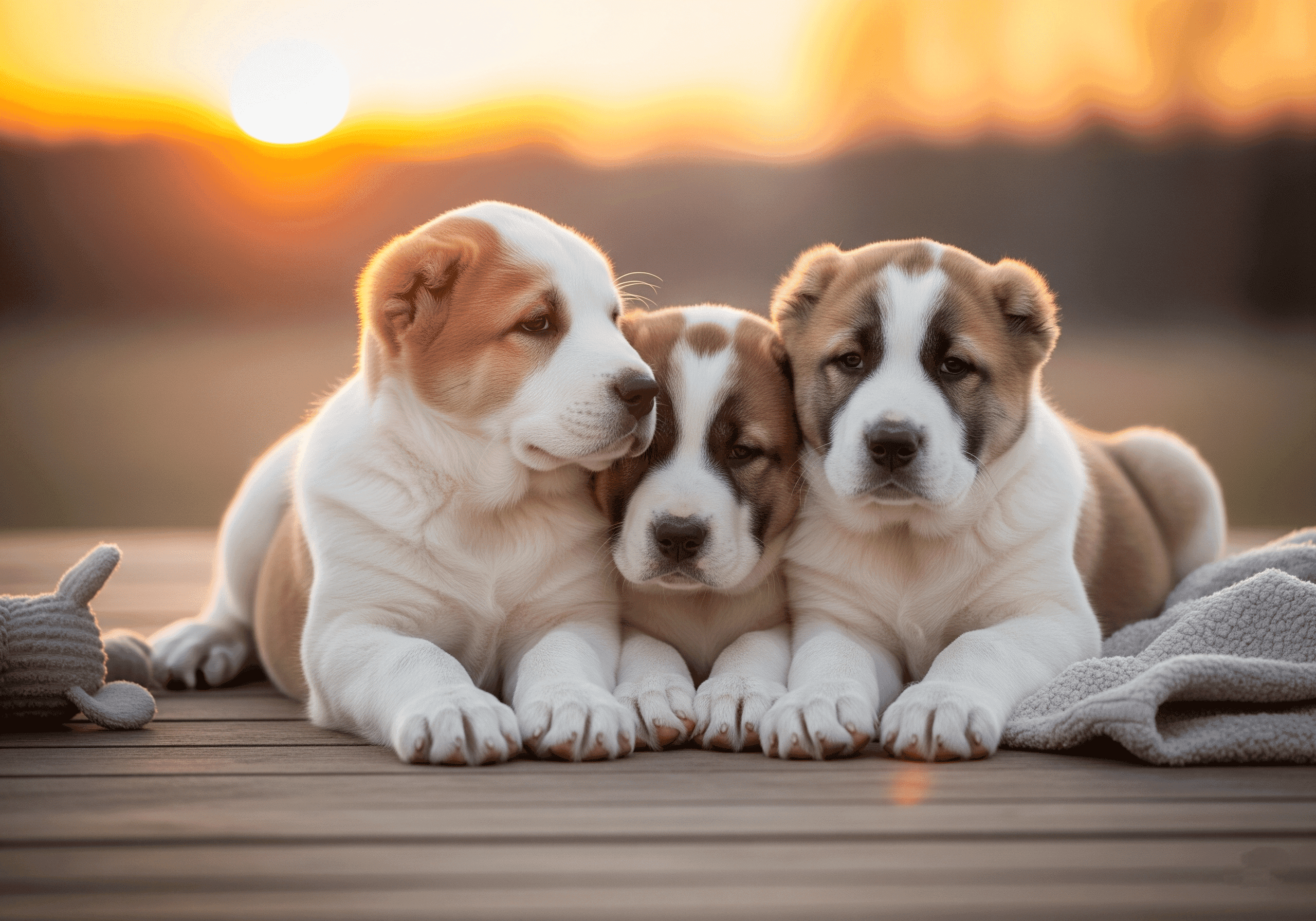
🐶 Central Asian Shepherd Dog puppy
History of Central Asian Shepherd Dog
The Central Asian Shepherd Dog is an ancient breed, with its origins tracing back over 4,000 to 5,000 years across the vast territories of Central Asia. These dogs were not the product of intentional breeding by humans in the modern sense but were shaped by natural selection in harsh environmental conditions and the specific needs of nomadic cultures.
They were indispensable for guarding livestock (sheep, goats, cattle) from predators like wolves and bears, as well as protecting human encampments and caravans. Different regions within Central Asia had their own variations of the breed, adapted to local conditions.
The breed's FCI (Fédération Cynologique Internationale) standard is under the patronage of Russia.
Purpose and Popularity of Central Asian Shepherd Dog
Traditionally, the Central Asian Shepherd Dog's primary purpose was as a livestock guardian and protector of property. Their courage, strength, and territorial instincts were highly valued.
While still used for their original purpose in many parts of Central Asia, they have also gained popularity worldwide as family guardians and companions, particularly among enthusiasts of large, protective breeds. Their numbers have grown outside their native lands, though they remain a relatively rare breed in some Western countries.
They are recognized by major kennel clubs, including the FCI and the United Kennel Club (UKC) in the US (as 'Central Asian Shepherd'). The AKC recognized them in their Foundation Stock Service.
Did you know?
The Central Asian Shepherd Dog is one of an ancient group of livestock guardian dogs that are believed to have developed through natural selection over thousands of years in Central Asia.
Central Asian Shepherd Dog Breed Size and Physical Traits
Size of Central Asian Shepherd Dog dog Breeds
Size Category
Large to Giant
Height
Male
Minimum 70 cm (28 inches)
Female
Minimum 65 cm (26 inches)
Weight
Male
Minimum 50 kg (110 lbs), often much more (up to 170 lbs or more)
Female
Minimum 40 kg (88 lbs), often much more
Appearance of Central Asian Shepherd Dog dog Breeds
- Coat Type
- Central Asian Shepherd has thick, coarse, straight double coat with a well-developed undercoat. The coat can be short (1-2 inches) or longer (2-4 inches) with feathering.
- Eye Size & Color
- Central Asian Shepherd have medium-sized, oval-shaped and wide apart eyes. The eyes are dark brown to hazel. The expression is confident and serious.
- Ear Size & Shape
- Central Asian Shepherd have small, triangular, low-set, hanging ears. Traditionally cropped very short in their countries of origin, but often left natural elsewhere.
- Tail
- Central Asian Shepherd have set high, thick at the base, tapering to the tip. Traditionally docked moderately long, but often left natural. A natural tail is often carried in a sickle curve or ringed over the back when alert.
Description of Central Asian Shepherd Dogs Appearance
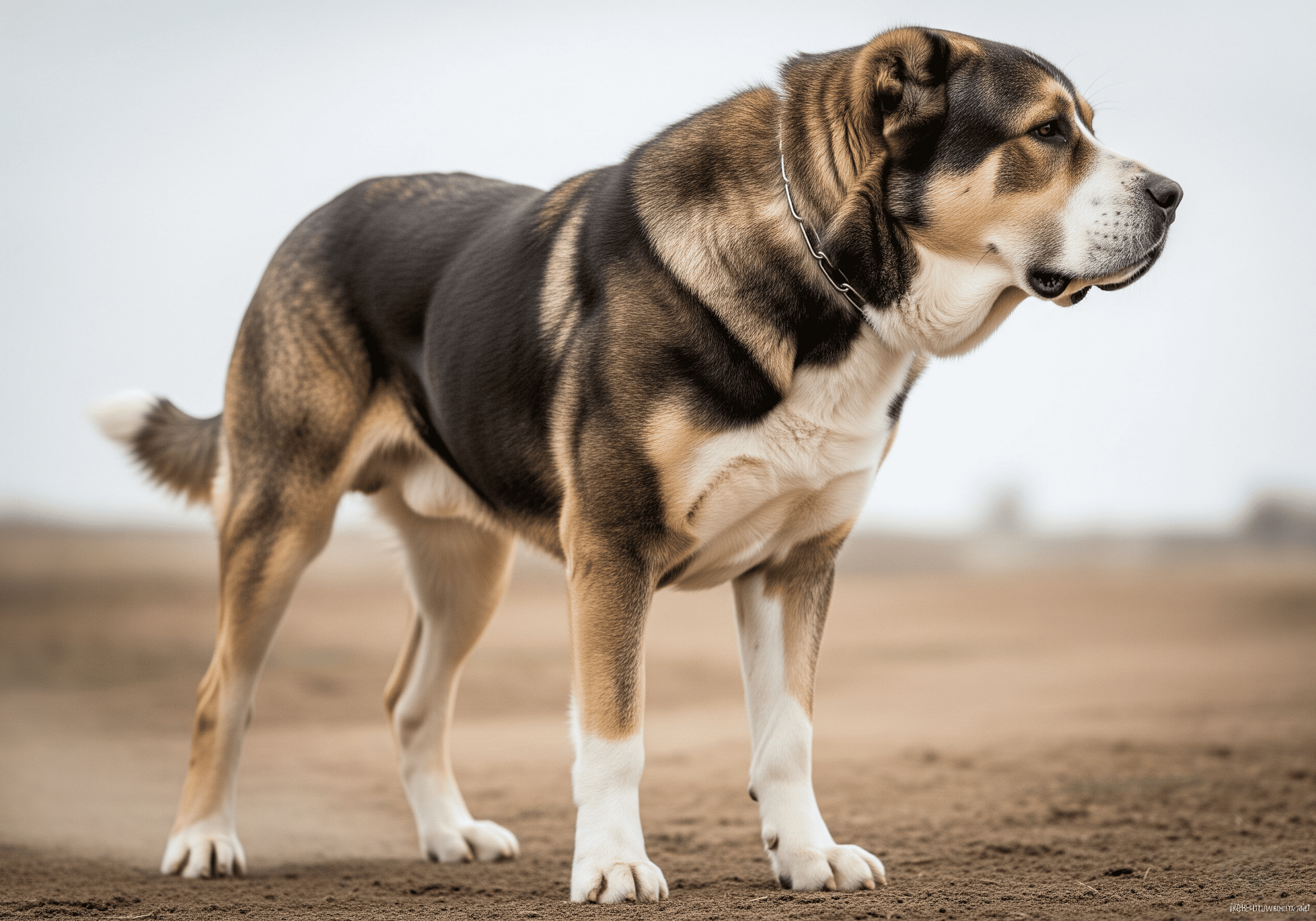
👀 How does Central Asian Shepherd Dog look like?
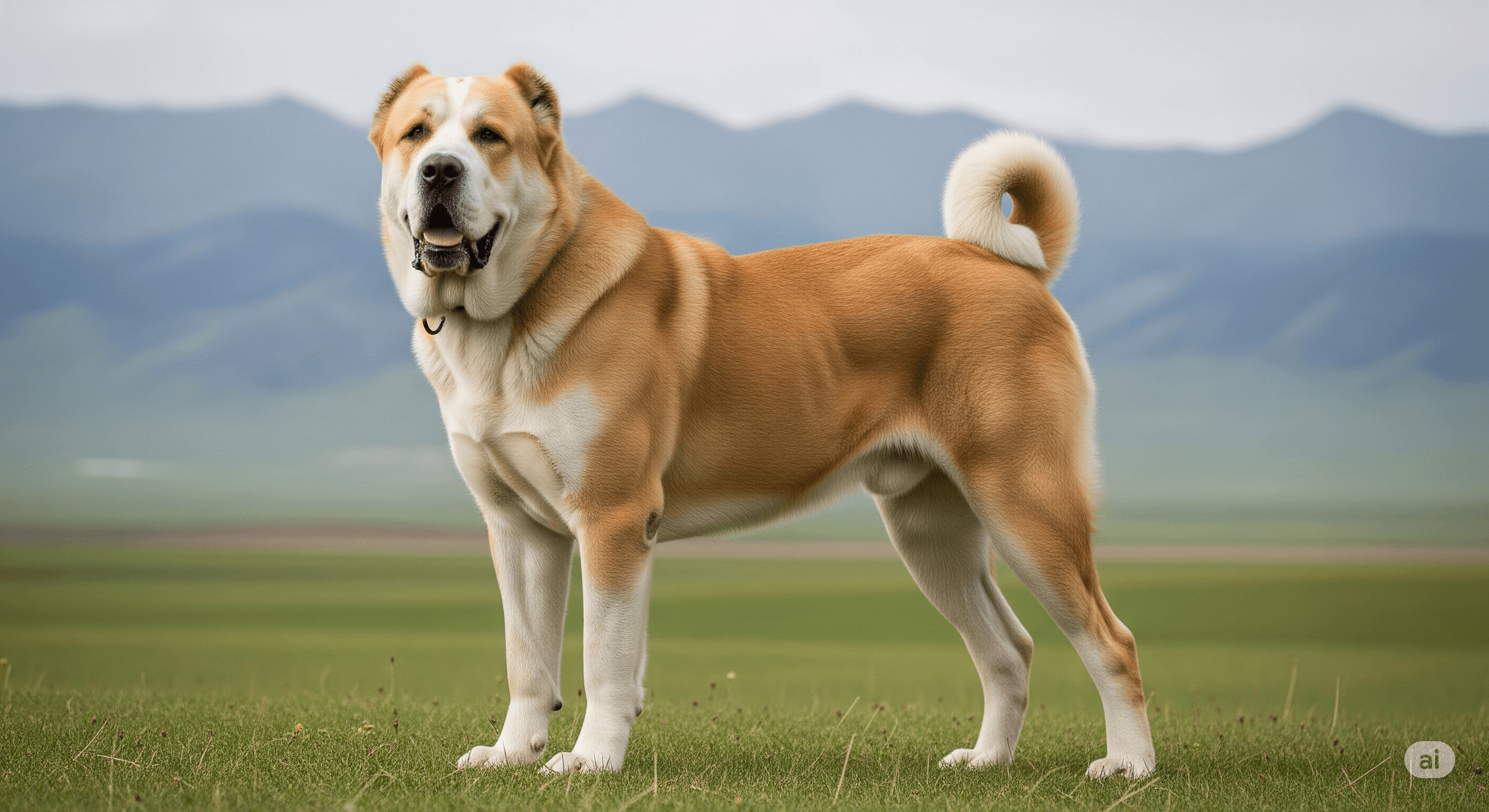
- The Central Asian Shepherd Dog is a large, powerfully built dog of rugged appearance, conveying an impression of strength and courage.
- They possess a massive head, a broad, muscular body, and substantial bone structure. Their thick double coat protects them from harsh weather.
- Males are noticeably larger and more massive than females. Ear cropping and tail docking are traditional in their native lands but less common elsewhere.
- Their overall appearance is one of natural, functional strength, adapted for endurance and confronting large predators.
Coat Colors of Central Asian Shepherd Dog dogs
White
Black
Fawn (various shades)
Brindle
Grey
Russet (Red)
Pied or Spotted (combinations of above)
Distinctive Features of Central Asian Shepherd Dog dog breeds
- Central Asian Shepherd have massive, rectangular head and powerful jaws.
- They have robust, muscular, and well-proportioned body, slightly longer than tall.
- Central Asian Shepherd have thick, loose skin, especially around the neck forming a dewlap.
- They have extremely flexible joints, contributing to their agility.
- Central Asian Shepherd have powerful, confident, and imposing presence.
Central Asian Shepherd Dog Environment, Barking, Trainability and More...
Barking Level of Central Asian Shepherd Dog
Moderate to High
Central Asian Shepherds are vigilant watchdogs and will bark to alert their owners to anything unusual or perceived as a threat. Their bark is deep and imposing.
Trainability of Central Asian Shepherd Dog
Challenging
These are intelligent dogs, but their independence and strong will make training a challenge. They require a confident, experienced owner who uses consistent, firm, but fair methods with positive reinforcement. Harsh training is counterproductive.
Energy Level of Central Asian Shepherd Dog
Moderate
While not hyperactive, Central Asian Shepherds need regular moderate exercise to stay physically and mentally fit. Daily walks and secure off-leash time in a yard are important.
Friendly Environment Description of Central Asian Shepherd Dogs
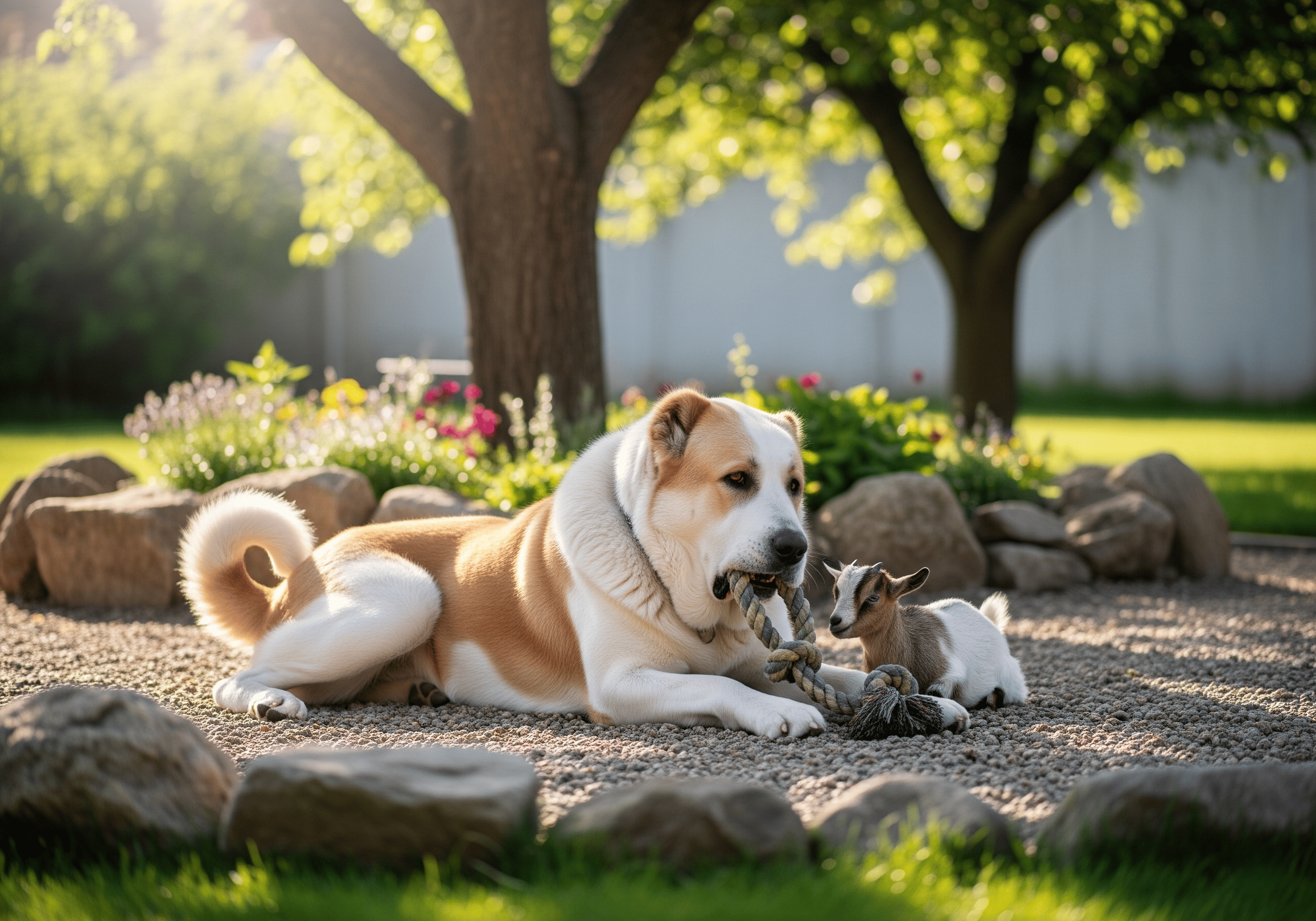
- Central Asian Shepherds thrive in homes with ample space, ideally with a large, securely fenced yard where they can patrol.
- They are not well-suited for apartment living due to their size and territorial nature.
- While independent, they form strong bonds with their family and prefer to be part of the household, though not necessarily demanding constant attention.
- Early and extensive socialization is crucial to ensure they are discerning in their protective responses and tolerant of welcome guests.
- They can be dominant and territorial, so interactions with unfamiliar dogs require careful management.
🏠 Central Asian Shepherd Dog in its home environment
Personality Traits of Central Asian Shepherd Dog dog breed
CourageousConfidentIndependentCalmProudTerritorialProtectiveLoyal to familyWary of strangers
Nature
A powerful, fearless, and self-assured dog with a strong instinct to guard and protect. Calm and composed until a threat is perceived.
Affectionate
Loyal and devoted to their immediate family, but generally not overtly demonstrative or cuddly. Shows affection in a more reserved manner.
With Children
Can be gentle and protective with children in their own family if raised with them and properly socialized. However, due to their size and strength, interactions should always be supervised. Not recommended for families with very young children without experienced handling.
With Other Dogs
Can be dominant and territorial with other dogs, especially of the same sex. Early socialization and careful introductions are essential. May do best as the only dog or with a compatible companion of the opposite sex.
With Strangers
Naturally aloof, suspicious, and wary of strangers. Early socialization is vital to teach them to accept invited guests.
Protective
Possesses a very strong protective instinct towards their family, property, and livestock. They are fearless in the face of danger.
Adaptability
Adapts well to various climates, including cold weather, thanks to their thick coat. Requires space and is not suited for confined living.
Central Asian Shepherd Dogs are good with:
Experienced ownersFamilies (with proper socialization and management)
Central Asian Shepherd Dog Breed Care & Grooming Needs
Shedding Level of Central Asian Shepherd Dog
Heavy (Seasonally)
Central Asian Shepherds have a double coat and shed moderately year-round, with very heavy shedding ('blowing coat' or 'fur storms') twice a year, typically in spring and fall.
Grooming Needs of Central Asian Shepherd Dog
Low to Moderate
Grooming needs are relatively low for most of the year, requiring weekly brushing. During heavy shedding periods, daily brushing is necessary to manage loose fur. Otherwise, occasional baths, regular nail trims, ear cleaning, and dental care are standard.
Grooming Tips
Brush weekly, daily during shedding seasons, using a slicker brush or undercoat rake. Bathe only as needed. Clean ears regularly to prevent infections. Trim nails monthly if not worn down naturally. Introduce regular dental hygiene early.
Drooling Frequency of Central Asian Shepherd Dog
Low to Moderate
Some Central Asian Shepherds may drool, especially after eating or drinking, or when excited, but they are not typically excessive droolers compared to some other large breeds.
Central Asian Shepherd Dogs Daily Exercise Requirements
Minimum Daily Activity of Central Asian Shepherd Dog
45-60 minutes per day
Central Asian Shepherds require regular moderate exercise, such as daily long walks or active playtime in a large, securely fenced yard. They have good endurance for walking and hiking. They are not high-energy dogs but need an outlet for their physical capabilities. Mental stimulation is also important.
Recommended Activities for Central Asian Shepherd Dogs
Brisk WalkingHiking (on leash)Supervised playtime in a securely fenced yardPatrolling their territory
Living Space Compatibility of Central Asian Shepherd Dogs
Yard Requirement
Secure Yard Essential
A large, very securely fenced yard is essential for this breed to provide them with a safe space to exercise and patrol. Fences should be high and strong.
Apartment Living: Not Ideal
Not recommended for apartment living due to their large size, territorial nature, and need for space.
Living Considerations for Central Asian Shepherd Dogs
- Requires an experienced owner familiar with large, dominant, and protective breeds.
- Extensive and ongoing socialization from a very young age is absolutely critical.
- Consistent, firm, and patient training is necessary.
- Not suitable for novice dog owners.
- Can be territorial and may not tolerate unfamiliar animals or people on their property without proper introductions and management.
- Their protective instincts are strong and require responsible channeling.
Central Asian Shepherd Dog Lifespan and Health Issues
Average Lifespan of Central Asian Shepherd Dogs
10-15years
Common Health Issues of Central Asian Shepherd Dogs
Hip Dysplasia
A common orthopedic condition in large breeds where the hip joint doesn't develop properly.
Elbow Dysplasia
Another common orthopedic issue involving abnormal development of the elbow joint.
Bloat (Gastric Dilatation-Volvulus - GDV)
A life-threatening condition common in large, deep-chested breeds.
Hypothyroidism
An underactive thyroid gland that can affect metabolism and overall health.
Entropion/Ectropion
Eyelid abnormalities where the eyelid rolls inward (entropion) or outward (ectropion).
Panosteitis
A painful inflammation of the long bones in young, growing large-breed dogs, often called 'growing pains'.
Obesity
Prone to weight gain if overfed or under-exercised, which can exacerbate joint problems.
Heart Conditions
Certain heart issues can affect large breeds; regular veterinary checks are important.
Ear Infections
Due to their hanging ears, they can be prone to ear infections if not kept clean and dry.
Preventative Care of Central Asian Shepherd Dogs
- Select a puppy from reputable breeders who screen their breeding stock for genetic health conditions like hip and elbow dysplasia.
- Provide a high-quality diet appropriate for their age and size, avoiding overfeeding to maintain a lean body condition.
- Ensure regular moderate exercise, but avoid forced or high-impact exercise in growing puppies.
- Schedule regular veterinary check-ups for vaccinations, parasite control, and early detection of potential health issues.
- Maintain good grooming practices, including regular ear cleaning.
- Early and ongoing socialization and training contribute to mental well-being.
What to feed Central Asian Shepherd Dog? Central Asian Shepherd Dog's diet and Nutrition
Recommended Diet for Central Asian Shepherd Dog dog breed
A high-quality commercial dog food formulated for large or giant breeds, appropriate for their age (puppy, adult, senior) and activity level. Some owners opt for raw or home-prepared diets under veterinary guidance.
Typical Feeding Schedule of Central Asian Shepherd Dogs
| Age Group | Feeding Frequency |
|---|---|
| Puppies (under 6 months) | 3-4 meals/day |
| Adolescents (6-12 months) | 2-3 meals/day |
| Adults | 2 meals/day (helps reduce the risk of bloat) |
| Seniors | 2 smaller meals/day, potentially adjusting formula for senior needs (e.g., lower calorie, joint support). |
Sensitivities & Considerations of Central Asian Shepherd Dogs
Potential Food Sensitivities of Central Asian Shepherd Dogs
No specific breed-wide sensitivities are commonly documented, but like any dog, individuals can develop allergies or sensitivities to certain ingredients. Monitor for signs of digestive upset or skin issues and consult a vet if concerns arise.
Dietary Considerations of Central Asian Shepherd Dogs
- Use large-breed puppy formulas for controlled growth to help prevent orthopedic problems.
- Monitor weight closely throughout their life to prevent obesity, which puts extra strain on joints and can shorten lifespan.
- Consider using raised feeders or slow-feeder bowls, especially if the dog eats quickly, as a precaution against bloat (consult your vet).
- Always provide access to fresh, clean water.
- Avoid strenuous exercise immediately before or after meals to minimize bloat risk.
Weight Management of Central Asian Shepherd Dogs
Maintaining a lean, healthy body condition is crucial for the long-term health and mobility of this large breed. Adjust food portions based on activity level, age, and metabolism.
Signs of Healthy Weight of Central Asian Shepherd Dogs
- Ribs are easily palpable with a slight fat covering.
- A visible waistline when viewed from above (behind the ribs).
- The abdomen is tucked up when viewed from the side.
- Good energy levels and overall vitality.
Tips for Healthy Feeding of Central Asian Shepherd Dogs
- Measure food portions accurately using a measuring cup.
- Adjust food intake based on the dog's body condition score, activity level, and age.
- Limit treats and ensure they are healthy; treats should not make up more than 10% of their daily caloric intake.
- Follow a consistent feeding schedule.
- Consult your veterinarian to determine the best diet and feeding plan for your individual dog.
Is Central Asian Shepherd Dog a good match for you?
Central Asian Shepherd Dogs are best suited for highly experienced dog owners who understand and can manage large, powerful, independent, and protective guardian breeds. They require a confident, consistent leader who can provide firm guidance, extensive socialization, and a suitable environment with ample space and secure fencing.
Central Asian Shepherd Dogs are a Great Match For
- Highly experienced owners of large, dominant, or livestock guardian breeds.
- Individuals or families living in rural or suburban settings with a large, securely fenced property.
- Those seeking a serious and capable guardian for livestock or property, who understand the responsibilities involved.
- Owners who are committed to early, extensive, and ongoing socialization and training.
- People who appreciate an independent, self-assured canine companion and do not require constant effusive affection.
- Those who can provide consistent leadership and clear boundaries.
Central Asian Shepherd Dogs May be Challenging For
- First-time or novice dog owners.
- Individuals or families living in apartments, condos, or homes with small or unfenced yards.
- People seeking a highly social, overtly playful, or universally friendly dog.
- Owners who are unable or unwilling to dedicate significant time to socialization and training.
- Those who are intimidated by or unable to manage a very large, strong, and potentially dominant dog.
- Households with frequent unfamiliar visitors or a high volume of activity if the dog is not extensively socialized and managed.
- Owners looking for a low-maintenance dog in terms of training and management.